Medical Device Cyber Security is now a fundamental requirement for regulatory approval, patient safety and long term commercial success as healthcare technologies become increasingly connected, software driven and data dependent.
Modern medical devices are no longer isolated pieces of equipment. They operate within complex digital ecosystems that include cloud platforms, mobile applications, hospital networks and third party integrations. As connectivity grows, so does the potential impact of cyber risk. A vulnerability is no longer just an IT concern, it can directly affect clinical outcomes, operational continuity and regulatory compliance.
For medical technology companies, cyber security has therefore moved from a late stage technical check to a core design and governance responsibility across the entire product lifecycle.
At Amicis Group, we support medical device manufacturers, digital health innovators and healthcare technology providers in building secure, compliant and resilient products from development through to post market operation.

Medical Device Cyber Security
Medical device cyber security now sits at the intersection of patient safety, regulatory compliance and organisational trust. Regulators across the UK, Europe and the United States increasingly recognise that cyber vulnerabilities can create real world clinical risk.
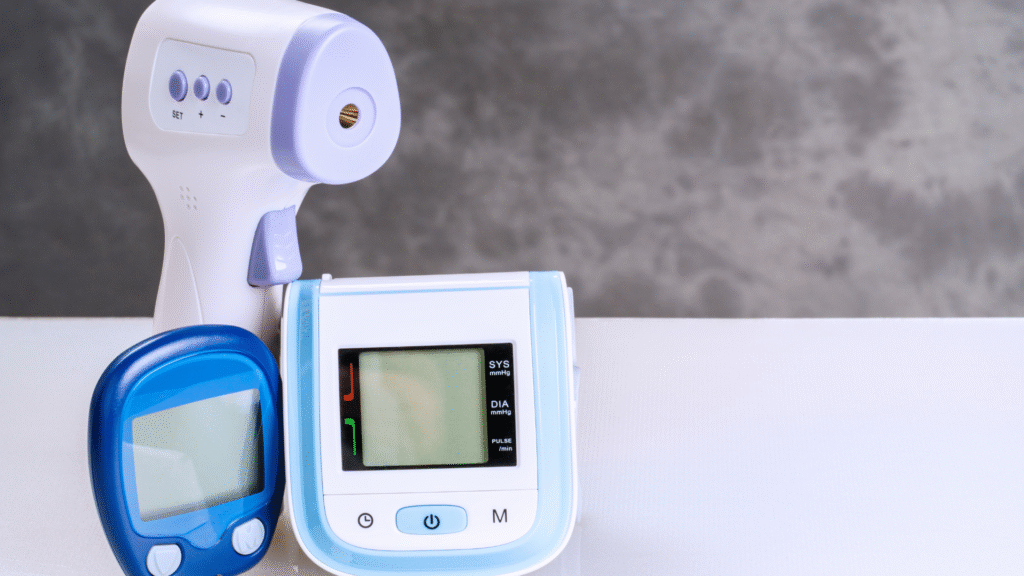
Connected devices such as wearable monitors, diagnostic platforms and software as a medical device solution rely on continuous data exchange. If authentication, encryption or update mechanisms fail, attackers may gain access to sensitive patient data or interfere with device functionality.
Regulatory bodies are responding accordingly:
- The FDA now requires detailed cyber security documentation under Section 524B for device submissions
- EU MDR expectations include lifecycle risk management and vulnerability handling
- UK regulators and NHS procurement frameworks increasingly assess cyber resilience as part of supplier eligibility
- Post market surveillance obligations now extend to cyber incidents and vulnerabilities
This shift means manufacturers must demonstrate not only that devices are safe at launch, but that they remain secure throughout their operational life.
Contact UsFor More Information
Why Cyber Security Is a Patient Safety Requirement
Cyber security failures in medical environments can lead to consequences far beyond data exposure. A compromised device may deliver inaccurate readings, interrupt treatment delivery or create delays in clinical decision making.
For example, a connected monitoring device with weak authentication controls could allow unauthorised modification of patient data. What begins as a cyber vulnerability quickly becomes a safety incident requiring investigation, reporting and remediation.
Regulators increasingly view cyber events through the same lens as mechanical or usability failures. Organisations must therefore treat cyber risk as part of clinical risk management rather than a standalone IT discipline.
Embedding security early reduces regulatory friction, accelerates approvals and strengthens trust among healthcare providers and patients alike.
Secure by Design Across the Medical Device Lifecycle
Effective medical device security begins long before regulatory submission. Modern expectations require a secure by design approach that integrates cyber security into every stage of development and operation.
This includes:
- Threat modelling during early architecture design
- Secure coding practices and dependency management
- Software Bill of Materials implementation
- Vulnerability disclosure processes
- Patch governance and update mechanisms
- Continuous monitoring after deployment
Security must extend beyond the device itself to supporting infrastructure such as cloud services, APIs and mobile applications. Healthcare systems increasingly evaluate the resilience of the entire ecosystem rather than individual components.
Amicis Group works alongside development and engineering teams to embed practical controls that support innovation while meeting regulatory expectations.
Regulatory Alignment and Compliance Support
Medical device companies face a complex regulatory landscape that continues to evolve as cyber threats mature. Demonstrating compliance requires structured evidence, clear documentation and repeatable processes.
Our approach aligns cyber security activities with recognised regulatory frameworks and guidance, helping organisations prepare for:
- FDA 510(k) and premarket submissions
- EU MDR compliance requirements
- Emerging UK cyber security expectations
- ISO aligned risk management practices
- Post market surveillance obligations
Rather than treating compliance as a one-off exercise, we help organisations build sustainable governance models that support ongoing certification and future regulatory change.
Contact UsFor More Information
Penetration Testing for Medical Devices
Specialist penetration testing plays a critical role in validating device security and demonstrating due diligence to regulators and partners.
Medical device testing differs significantly from traditional IT assessments. It must account for clinical environments, patient safety considerations and operational constraints.
Our penetration testing services are designed to:
- Identify exploitable vulnerabilities within devices and supporting systems
- Validate threat modelling assumptions
- Provide evidence aligned with regulatory expectations
- Reduce approval delays by demonstrating proactive risk management
Findings are translated into clear remediation guidance suitable for both engineering teams and compliance stakeholders.
Managing Risk Beyond Deployment
Regulatory expectations increasingly focus on how manufacturers manage cyber risk after devices enter the market.
Ongoing responsibilities include:
- Continuous vulnerability monitoring
- Security update management
- Incident response planning
- Coordinated vulnerability disclosure
- Lifecycle risk reassessment
By implementing structured monitoring and response capabilities, organisations can demonstrate resilience and maintain compliance throughout the operational lifespan of their products.
Why Choose Amicis Group for Medical Device Cyber Security
Amicis Group combines cyber security expertise with a deep understanding of regulated environments and healthcare risk.
We support organisations by providing:
- Lifecycle cyber security strategy and implementation
- Regulatory aligned assessments and documentation
- Specialist penetration testing for connected medical technologies
- Ongoing managed protection and monitoring
- Practical guidance that balances compliance with innovation
Our focus is not only protecting devices, but helping organisations build trust with regulators, healthcare providers and end users.
Frequently Asked Questions
Medical device cyber security refers to the protection of connected medical technologies, supporting software and associated infrastructure from cyber threats that could compromise patient safety, data integrity or system availability. It includes secure design, risk management, vulnerability monitoring and ongoing protection throughout the device lifecycle, from development through to post market operation.
Modern medical devices are often connected to hospital networks, cloud platforms and mobile applications. A cyber vulnerability can therefore affect not only data confidentiality but also device functionality and clinical outcomes. Regulators increasingly treat cyber incidents as patient safety risks, making cyber security essential for regulatory approval and ongoing compliance.
Yes. Regulatory expectations are evolving rapidly. Authorities such as the FDA, EU MDR regulators and UK healthcare bodies now expect manufacturers to demonstrate structured cyber security risk management, vulnerability handling processes and secure development practices. Cyber security evidence is increasingly required during submissions, procurement and post market surveillance activities.
Secure by design means integrating cyber security into the earliest stages of device development rather than adding protections later. This includes threat modelling, secure coding, authentication controls, encryption, software component management and update mechanisms that allow vulnerabilities to be addressed safely after deployment.
Software as a Medical Device, often called SaMD, refers to software that performs medical functions without being tied to dedicated hardware. Because SaMD solutions rely heavily on connectivity and data exchange, they introduce additional cyber risks that must be managed through secure architecture, monitoring and lifecycle security practices.
Penetration testing identifies real world vulnerabilities within devices and supporting systems before attackers can exploit them. For medical device companies, testing provides documented evidence that security risks have been assessed and mitigated, helping demonstrate due diligence during regulatory review and reducing the likelihood of approval delays.
Post market responsibility means manufacturers must continue monitoring and managing cyber risks after a device has been released. This includes vulnerability monitoring, issuing security updates, maintaining incident response processes and reporting safety relevant cyber events to regulators where required.
Security assessments should occur at key lifecycle stages, including design, pre-release testing and after significant software or infrastructure changes. Ongoing monitoring and periodic reassessment are recommended to ensure emerging threats and newly discovered vulnerabilities are addressed promptly.
Amicis Group supports medical technology organisations through assessment, penetration testing, regulatory alignment and ongoing managed protection. Our approach focuses on embedding security across the full product lifecycle, helping organisations meet compliance expectations while maintaining innovation and commercial momentum.
Supporting Innovation Through Secure Healthcare Technology.
Healthcare innovation depends on trust. As digital health solutions expand, cyber resilience becomes a defining factor in market adoption and regulatory success.
Organisations that embed medical device cyber security early gain a competitive advantage. They reduce approval delays, strengthen procurement opportunities and demonstrate accountability in an increasingly risk conscious healthcare ecosystem.
Whether you are preparing a new device for submission or strengthening security across an existing portfolio, Amicis Group provides the expertise needed to support secure growth.
You may be interested in our page FDA 510(k) Update for MedTech: What Businesses Need to Know in 2025.
Speak to our team today on 0333 305 5348 or email hello@amicisgroup.co.uk to discuss how we can support your medical device cyber security strategy and regulatory journey.